Key performance
Technical specifications
Engine
- Displacement
- 689 cc
- Power
- 73.4 ch @ 8750 tr/min (54.0 kW)
- Torque
- 68.0 Nm @ 7750 tr/min
- Engine type
- Bicylindre en ligne, 4 temps, calé à 270°
- Cooling
- liquide
- Compression ratio
- 11.5 : 1
- Bore × stroke
- 80 x 68.6 mm
- Valves/cylinder
- 4
- Camshafts
- 2 ACT
- Fuel system
- Injection
- Starter
- électrique
- Euro standard
- Euro 5+
Chassis
- Frame
- type Diamant en tubes d'acier
- Gearbox
- boîte à 6 rapports
- Final drive
- Chaîne
- Front suspension
- Fourche téléscopique Ø 41 mm, déb : 130 mm
- Rear suspension
- Mono-amortisseur, déb : 139 mm
Brakes
- Front brakes
- Freinage 2 disques Advics Ø 298 mm, étrier 4 pistons
- Rear brakes
- Freinage 1 disque Nissin Ø 245 mm, étrier simple piston
- Front tyre
- 120/70-17
- Front tyre pressure
- 2.25 bar
- Rear tyre
- 180/55-17
- Rear tyre pressure
- 2.50 bar
Dimensions
- Seat height
- 845.00 mm
- Fuel capacity
- 18.00 L
- Weight
- 212.00 kg
- New price
- 11 499 €
Overview
The world of sport touring motorcycles is no longer a quiet garden. As historic Japanese models like the Versys 650 or the V-Strom 650 maintain their established position, a regiment of new Chinese arrivals is appearing with aggressive pricing. In this increasingly heated landscape, the Yamaha Tracer 7 GT of the third generation had to offer more than just aesthetic tweaks. And it must be acknowledged that the Japanese manufacturer brought out the wrench, not just the paintbrush.
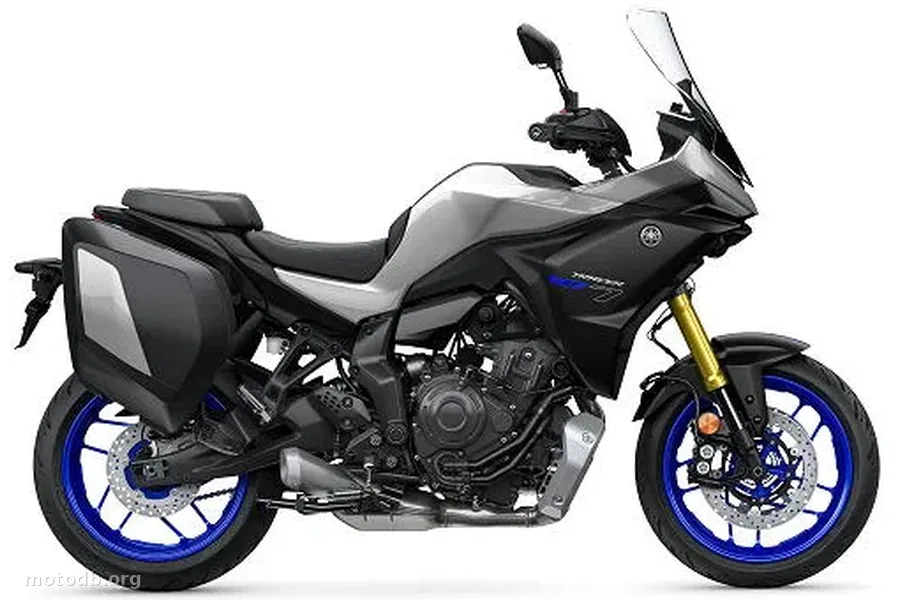
The first glance is convincing. The machine has gained stature, with a more assertive front end and a silhouette that definitively avoids the basic customized appearance. There is a desire to align its design with that of its big sister, the Tracer 9, to justify its status. But the real progress is beneath the paint. The adoption of 41 mm inverted forks and radial brake calipers is a direct response to criticism of the somewhat soft front end of the previous model. Coupled with a lengthened swingarm, this reworked chassis promises firmer and more precise handling, especially when the road becomes winding. Yamaha sends a clear signal: this GT is not just an accessory, it wants the character to match.
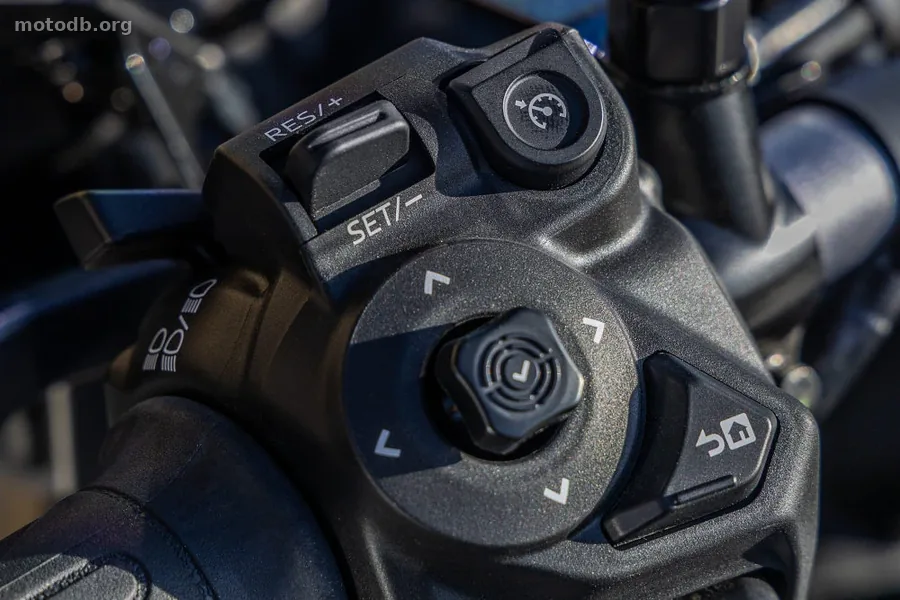
Regarding equipment, the record is mixed, typical of Japanese models that count the pennies. On the one hand, we welcome the standard arrival of heated grips, an effective cruise control, and a well-connected 5-inch TFT screen. The luggage cases inherited from the Tracer 9, capable of swallowing a helmet, are a significant improvement. But how can the absence of a luggage rack be justified on a motorcycle labeled "Grand Touring"? It's an absurdity that will require tinkering or breaking the piggy bank on accessories. Similarly, the handguards remain cosmetic and the catalytic converter is exhibited like a blemish. For 11,499 euros, one is entitled to expect a more refined finish.
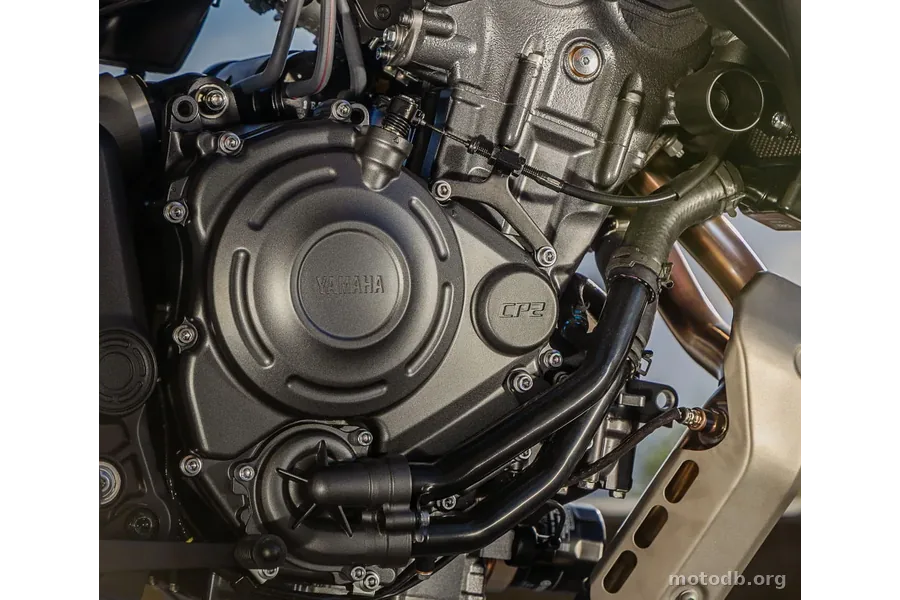
The heart remains the timeless CP2 689 cm3 twin-cylinder engine. With 73 horsepower and 68 Nm of torque, it doesn't measure up on paper compared to some more powerful competitors. But that forgets its master card: its character. Calibrated at 270°, it offers a frank response, a deep sound, and reassuring traction that make riding lively and intuitive. It's an engine that makes you smile, perfect for a globetrotter seeking more sensations than raw numbers. With its 212 kg in running order and its 18-liter tank, the Tracer 7 GT positions itself as a supple and enduring travel companion, ideal for those who want to devour asphalt without breaking the bank or getting tired.
Ultimately, Yamaha has done a good job. This Tracer 7 GT III is a more mature, more serious motorcycle, and its improved chassis should satisfy lovers of sporty riding. It is aimed at the motorcyclist who wants a versatile, reliable machine, with a charismatic engine, without venturing into the great technological luxury of the European models. But it still stumbles on some equipment details that weigh down its value for money compared to the rising competition. It is a nice evolution, but one that arrives in a market where the war of prices and content is raging.
Standard equipment
- Assistance au freinage : ABS
- Nombre de mode de conduite : 3
- Volume de rangement : 60 litres
- Taille de l'écran TFT couleur : 12,70 cm / 5 pouces
- Jantes aluminium
- Bluetooth
- Pare brise réglable
- Prise USB
- Régulateur de vitesse
- Indicateur de vitesse engagée
- Valises
- Béquille centrale
- Selle réglable
- Poignées chauffantes
- Embrayage anti-dribble
Practical info
- Véhicule accessible au permis A2 ou bridable à 47.5ch / 35 Kw
- La moto est accessible aux permis : A, A2
- Pays de fabrication : France
Indicators & positioning
Similar bikes
NT700V Deauville
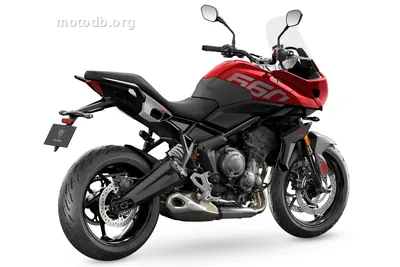
Nouvelle Tiger Sport 660
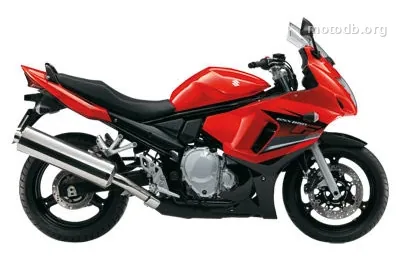
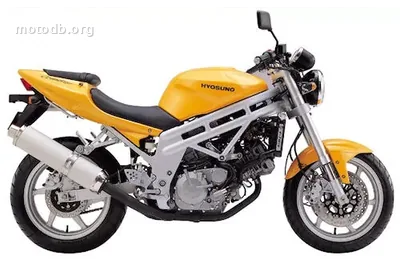
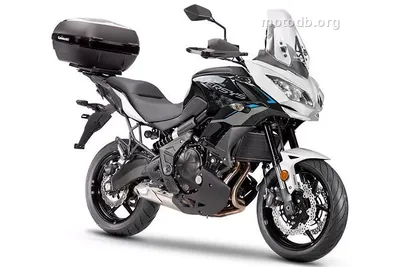
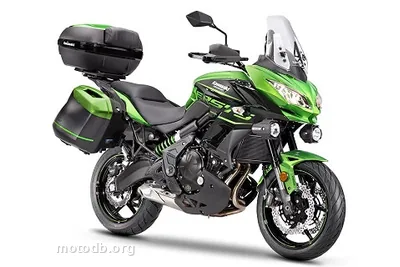
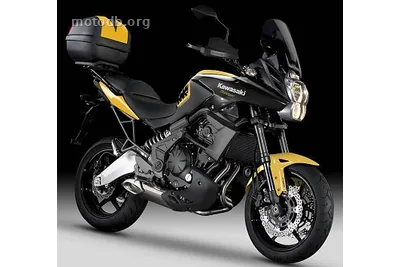
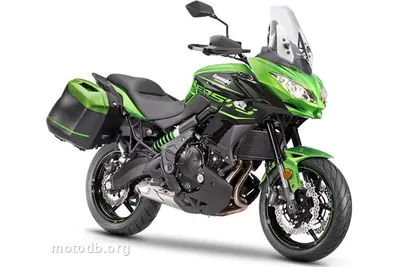
VERSYS 650 Mobility
Reviews & comments
No reviews yet. Be the first to share your opinion!