Key performance
Technical specifications
- Displacement
- 1078 cc → 998 cc
- Power
- 186.0 ch @ 12900 tr/min (135.8 kW) → 174.0 ch @ 11900 tr/min (127.0 kW)
- Torque
- 144.0 Nm @ 9000 tr/min → 111.0 Nm @ 10000 tr/min
- Compression ratio
- 13.1:1 → 13.0:1
- Bore × stroke
- 79.0 x 55.0 mm (3.1 x 2.2 inches) → 76.0 x 55.0 mm (3.0 x 2.2 inches)
- Camshafts
- 2 ACT → —
- Fuel system
- Injection → Injection. “Weber Marelli” 5SM ignition - injection integrated system; induction discharge electronic ignition, Multipoint electronic injection
- Ignition
- Magneti Marelli IAW 7BM ignition - injection integrated system with Mikuni throttle body; induction discharge electronic ignition; Sequential timed “Multipoint” electronic injection ; Variable height intake ducts with Torque Shift System (TSS) → —
- Frame
- CrMo Steel tubular trellis → —
- Clutch
- Slipper clutch → —
- Front wheel travel
- 120 mm (4.7 inches) → —
- Rear wheel travel
- 120 mm (4.7 inches) → —
- Front brakes
- Double disc. 4-piston → Double disc
- Rear brakes
- Single disc. 4-piston → Single disc
- Seat height
- 810.00 mm → —
- Wheelbase
- 1430.00 mm → —
- Ground clearance
- 115.00 mm → 130.00 mm
- Length
- 2100.00 mm → 2007.00 mm
- Width
- 750.00 mm → 685.00 mm
- Height
- 680.00 mm → —
- Fuel capacity
- 17.00 L → 21.00 L
- Dry weight
- 192.50 kg → 192.00 kg
- New price
- 18 500 € → —
Engine
- Displacement
- 998 cc
- Power
- 174.0 ch @ 11900 tr/min (127.0 kW)
- Torque
- 111.0 Nm @ 10000 tr/min
- Engine type
- In-line four, four-stroke
- Cooling
- Liquid
- Compression ratio
- 13.0:1
- Bore × stroke
- 76.0 x 55.0 mm (3.0 x 2.2 inches)
- Valves/cylinder
- 4
- Fuel system
- Injection. “Weber Marelli” 5SM ignition - injection integrated system; induction discharge electronic ignition, Multipoint electronic injection
- Valve timing
- Double Overhead Cams/Twin Cam (DOHC)
- Starter
- Electric
Chassis
- Gearbox
- 6-speed
- Final drive
- Chain (final drive)
- Front suspension
- Upside-down telescopic hydraulic fork with rebound-compression damping and spring preload adjustment
- Rear suspension
- Progressive, single shock absorber with rebound compression damping and spring preload
Brakes
- Front brakes
- Double disc
- Rear brakes
- Single disc
- Front tyre
- 120/70-ZR17
- Rear tyre
- 190/55-ZR17
Dimensions
- Ground clearance
- 130.00 mm
- Length
- 2007.00 mm
- Width
- 685.00 mm
- Fuel capacity
- 21.00 L
- Dry weight
- 192.00 kg
Overview
Picture the scene. Milan, mid-2000s. The Japanese machines are crushing the sportbike market with unassailable numbers, and Varese is watching the train go by through gritted teeth. Massimo Tamburini had admittedly penned a masterpiece with the original F4 that no one has ever truly dethroned, but the beautiful object was starting to show a slight deficit on the scorecard. The answer arrives in 2006 in the form of the mv agusta f4 1000 r, a variant built for the Stocksport championship, one that doesn't settle for piling on stickers and new colors to justify its suffix.
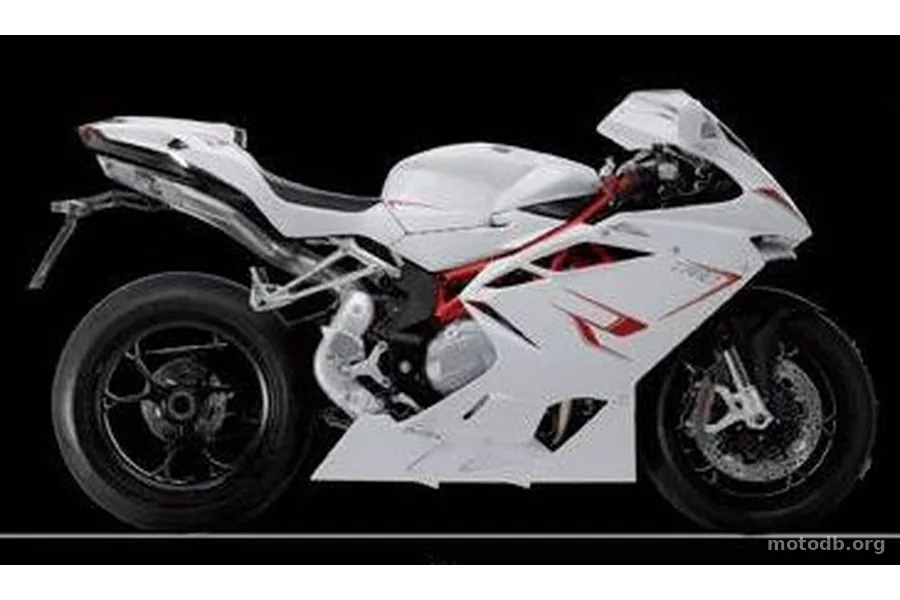
Beneath the bodywork, the Italian engineers broke out the slide rule. The CrMo tubular trellis frame was reworked tube by tube, certain sections slimmed down to shave grams without sacrificing torsional rigidity. Forged aluminum wheels complete the weight-loss program, and the scales now read 192 kg dry, 220 kg wet. It's not the featherweight figure of a Yamaha R1 of the era, but the mv-agusta f4 1000 r 2006 doesn't play in the same philosophical league. The front end comes straight from the Superbike aisle, with a 50 mm Marzocchi inverted fork clamping radial-mount Brembo four-piston calipers. The damping curves were recalibrated to handle the extra power, and you feel it from the very first hard braking zones.
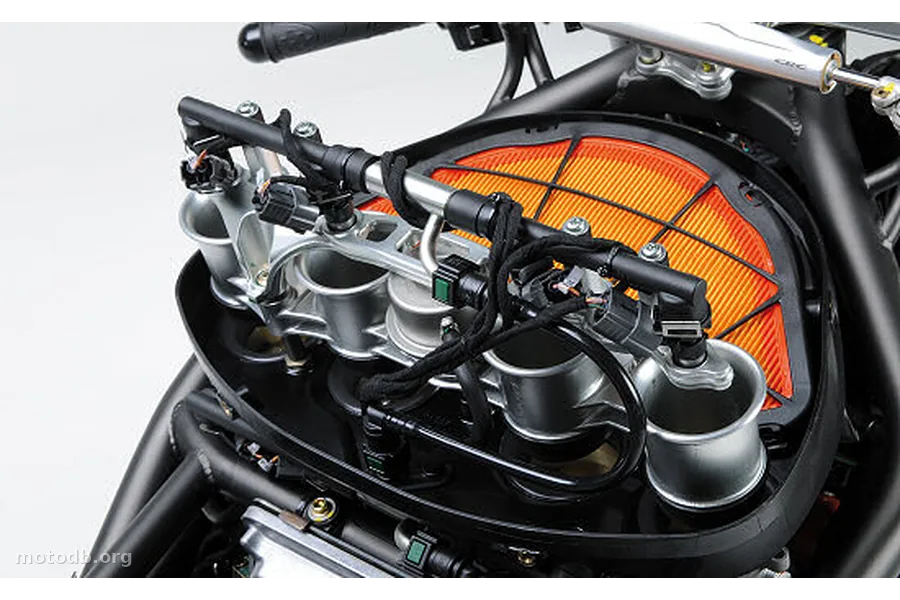
Because yes, the 998 cc inline four-cylinder with radial valves has gained eight more horsepower. The cam timing was revised, the pistons redesigned, the ports optimized, the electronics modernized, and the valve angle modified along the way. The result: 174 hp at 11,900 rpm and 111 Nm at 10,000 rpm — enough to rejoin the pack of Japanese hypersportbikes without blushing. Top speed flirts with the claimed 301 km/h, a theoretical figure that remains barroom bragging rights but that puts the beast in context. The compression ratio climbs to 13.0:1, the 76 x 55 mm bore-and-stroke confirms the furious temperament, and the six-speed gearbox transmits it all to the rear wheel by chain. Up against a sharper and cheaper GSX-R 1000 K6, the price-to-performance question comes up fast. The €20,490 price tag from the mv agusta f4 1000 r 2007 test ride clearly positions the machine outside the accounting territory of the big Japanese production runs.
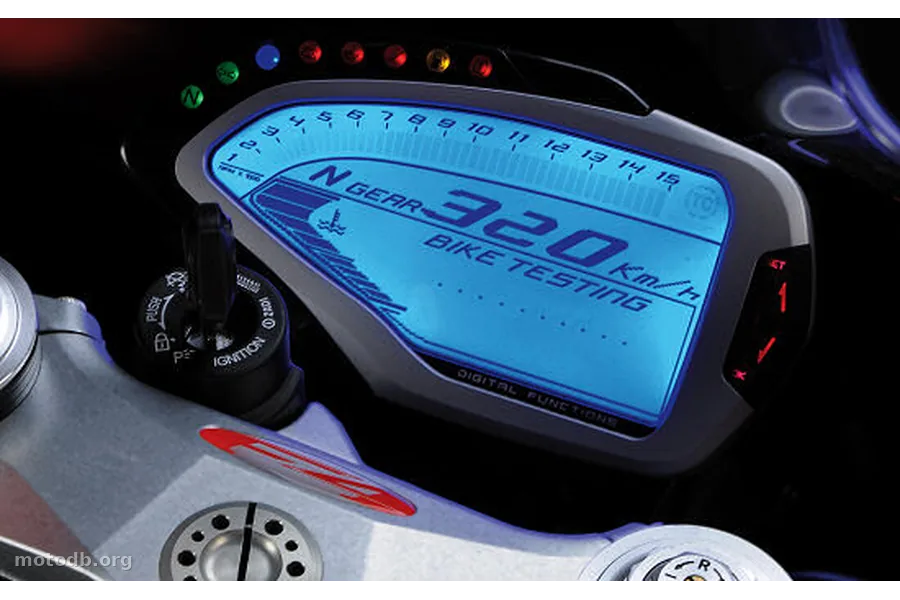
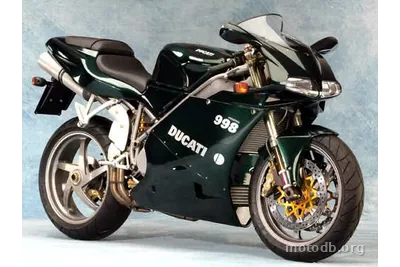
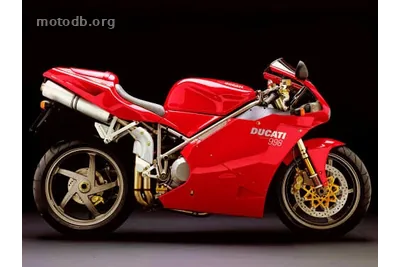
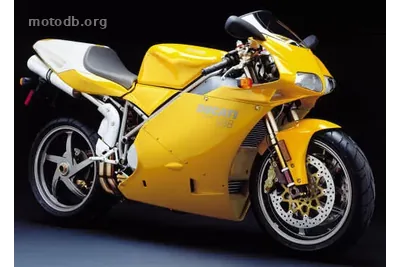
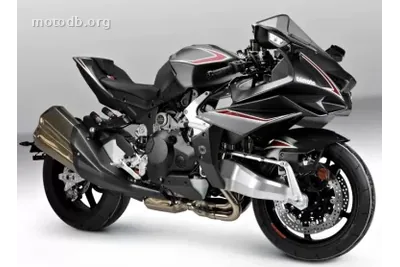
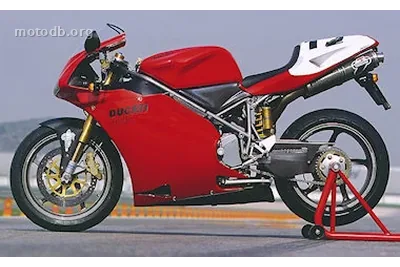
Visually, MV played the card of understated provocation. Black livery, red pinstripe, slightly reworked windscreen, new instrument cluster graphics, redesigned seat cover. Nothing that screams in the parking lot, everything a connoisseur needs to identify the machine at first glance. The line drawn by Tamburini remains untouchable, a design that ages better than most styling trends that have come and gone since. This aesthetic continuity explains why the mv agusta f4 1000 r 312, the mv agusta f4 1000 r 2008, and the mv agusta f4 1000 r 2010 remain sought after on the used market, even before the mv agusta f4 1000 r 2012, mv agusta f4 1000 r 2013, and mv agusta f4 1000 r 2018 versions carried the lineage forward.
Who is this machine for? Certainly not the intimidated beginner, and even less the touring rider looking to rack up miles in comfort. With its 810 mm seat height, 21-liter range, and frankly radical ergonomics, the F4 1000 R targets the occasional track day rider and the discerning collector — the kind who accepts paying for rarity and the unmistakable voice of the Varese four-cylinder. What does an mv agusta f4 1000 r go for today on the secondary market? Expect between €7,000 and €12,000 depending on condition, a reasonable entry ticket for a piece of Italian horology whose value finally seems to be leveling off.
Reviews & comments
No reviews yet. Be the first to share your opinion!