Key performance
Technical specifications
Engine
- Displacement
- 998 cc
- Power
- 200.0 ch (147.1 kW)
- Engine type
- 4 cylindres en ligne, 4 temps
- Cooling
- liquide
- Bore × stroke
- 79 x 50.9 mm
- Valves/cylinder
- 4
- Camshafts
- 2 ACT
- Fuel system
- Injection Ø 50 mm
- Starter
- électrique
- Euro standard
- Euro 5+
Chassis
- Frame
- Treillis en tubes d'acier au chrome molybdène
- Gearbox
- boîte à 6 rapports
- Final drive
- Chaîne
- Front suspension
- Fourche téléhydraulique inversée Öhlins NIX 30 Ø 43 mm, déb : 120 mm
- Rear suspension
- Mono-amortisseur Öhlins TTX36, déb : 120 mm
Brakes
- Front brakes
- Freinage 2 disques Brembo Ø 320 mm, fixation radiale, étrier 4 pistons (monobloc Stylema)
- Rear brakes
- Freinage 1 disque Brembo Ø 220 mm, étrier 4 pistons
- Front tyre
- 120/70-17
- Rear tyre
- 200/55-17
Dimensions
- Seat height
- 845.00 mm
- Seat type
- Selle biplaces
- Fuel capacity
- 16.00 L
- New price
- 60 000 €
Overview
Sixty thousand euros. Three hundred units. A top speed announced at 300 km/h. These three figures suffice to define the public of the Rush Titanio, the fourth iteration of Varese’s most extreme naked hyperbike since its first appearance in 2020. MV Agusta does not make motorcycles for the hesitant, and this 2026 edition confirms it with a nonchalance that borders on arrogance.
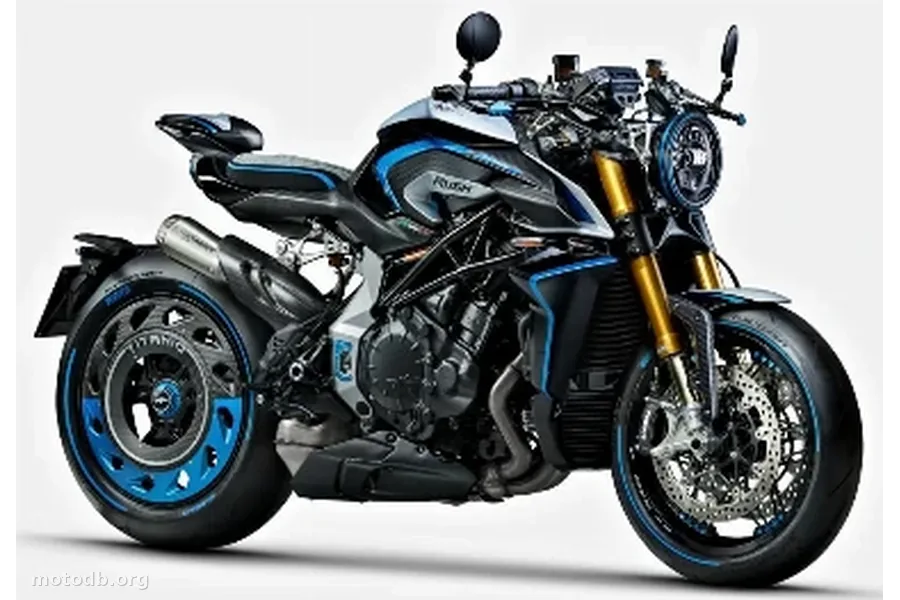
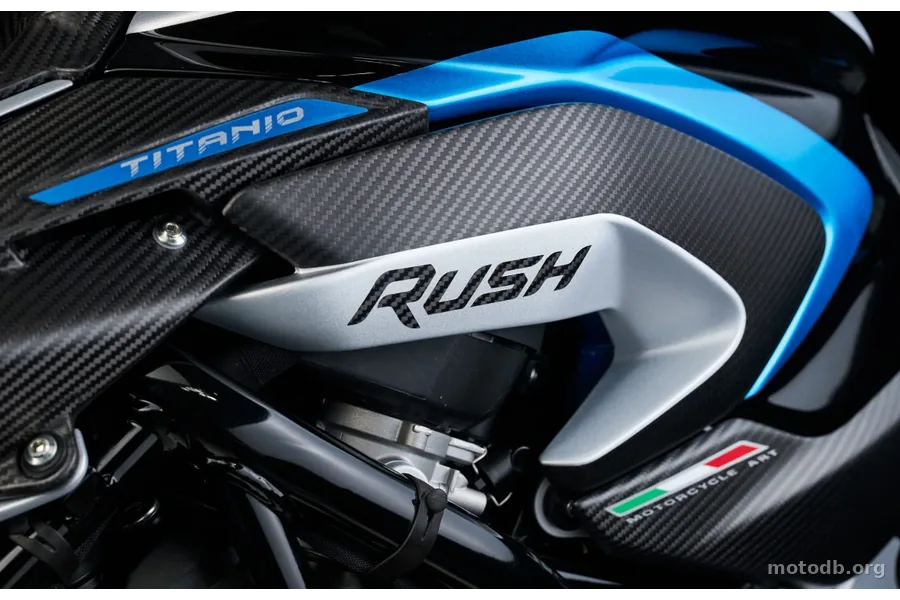
The name says it all. Titanium is not simply a marketing argument engraved on a side panel: it permeates the machine deeply. Connecting rods, valves, the Arrow exhaust and its support, the dashboard support, the tank plate, the bodywork screws... more than sixty parts are machined from this element number 22 of the periodic table, of which MV Agusta has even reproduced the atomic bonds on the seat and tank. The rest of the structure plays on carbon and anodized aluminum, the chrome-molybdenum steel trellis frame appearing as an almost anachronistic exception in this inventory of exotic materials. The visual result is cold, almost clinical: gray, black, touches of steel blue, with the 43 mm Öhlins NIX 30 fork in gold that cuts like a flame in a block of ice. This motorcycle was presented on the frozen lake of Engadine, in St. Moritz, at an elegance competition reserved for the ultra-rich. This is no coincidence.
Under this showy bodywork is the 998 cm3 inline four-cylinder engine from the Brutale 1000 RR Ottantesimo, updated to meet Euro 5+ standards. Bringing it into compliance cost a few horsepower, the engine dropping from 208 to 200 units depending on the version. This is not a catastrophe: 200 horsepower in a naked chassis, with an 845 mm seat height and a 16-liter tank, remains a proposition that few riders will truly exploit in its entirety. What the update does bring, however, is better availability in the mid-range, which makes the machine slightly more civilized on the open road. Slightly. Faced with a Ducati Streetfighter V4 SP2 or a BMW M 1000 R, the Rush plays on a different terrain, that of radical exclusivity rather than accessible sportiness. It does not seek to convince, it asserts itself.
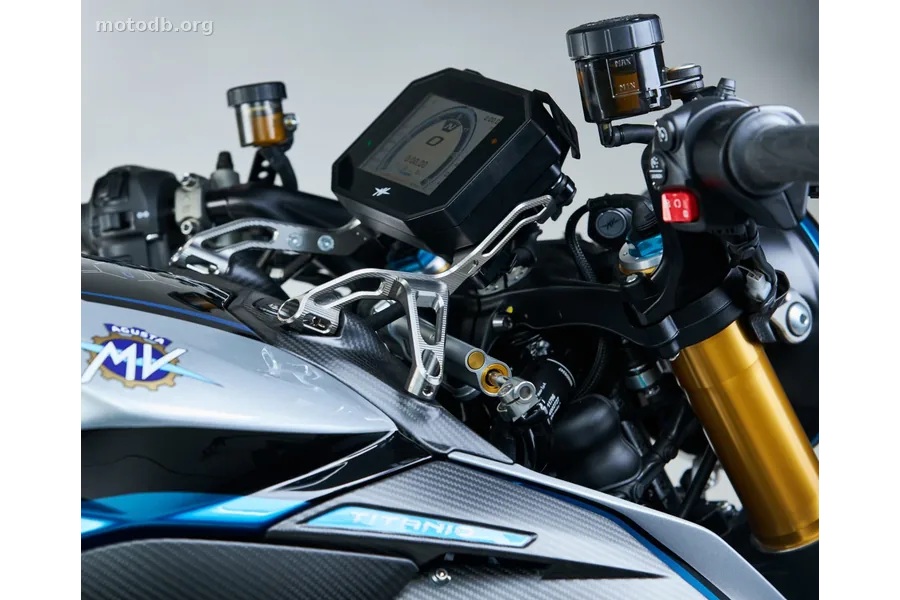
The equipment follows the logic of the price without flinching. Semi-active Öhlins suspensions at the front and rear offer an adaptability that motorcycles at €15,000 can envy. Brembo Stylema monoblock calipers bite down on two 320 mm front discs, a 220 mm rear disc. The onboard electronics cover everything a demanding rider can ask for: cornering ABS, traction control, anti-wheelie, anti-stoppie, launch control, bidirectional quickshifter, cruise control, four riding modes, and an integrated GPS chip. The central 5.5-inch TFT screen centralizes all of this with clarity that contrasts with the cluttered interfaces of some competitors. The monobras, the particularly elaborate design wheels, the Alcantara saddle with quilted stitching: nothing is left to chance, nothing is spared.
The Rush Titanio is not for the rider who is looking for a versatile companion for busy weekends. It speaks to those who want to own a rare mechanical object, manufactured with an obsession for detail that more closely resembles Swiss haute horlogerie than mass production. With 300 units produced, the question of resale will probably not arise. This type of machine increases in value as it ages, provided it is not left to rust in a damp garage. The only real criticism that can be leveled against it is also its main quality: at this level of radicality and price, the Rush Titanio will remain for the vast majority of enthusiasts a machine to admire behind a window. MV Agusta knows this perfectly, and seems to accommodate it without a guilty conscience.
Standard equipment
- Assistance au freinage : ABS MK100
- Nombre de mode de conduite : 4
- Taille de l'écran TFT couleur : 13,97 cm / 5.5 pouces
- ABS Cornering
- Jantes aluminium
- Shifter
- Indicateur de vitesse engagée
- Régulateur de vitesse
- Contrôle de traction
- Suspensions réglables électroniquement
- Contrôle anti stoopi
- Contrôle anti wheeling
- Embrayage anti-dribble
- Centrale inertielle
- Echappement Arrow
- GPS
Practical info
- La moto est accessible aux permis : A
- Fabriqué en 300 exemplaires
- Pays de fabrication : Italie
Indicators & positioning
Similar bikes
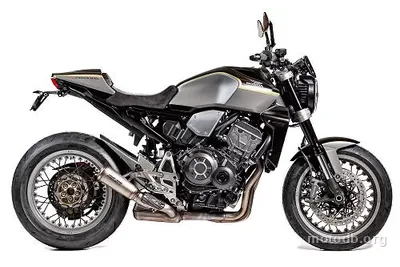
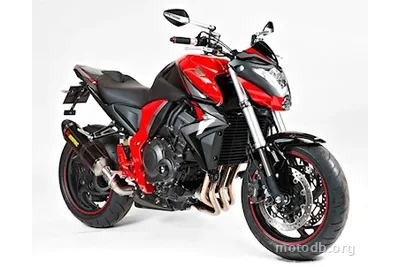
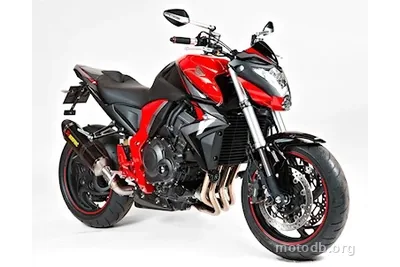
CB 1000 R+ Limited Edition
Reviews & comments
No reviews yet. Be the first to share your opinion!