Key performance
Technical specifications
Engine
- Displacement
- 748 cc
- Power
- 123.0 ch @ 11800 tr/min (88.3 kW)
- Torque
- 78.6 Nm @ 9300 tr/min
- Engine type
- In-line four, four-stroke
- Cooling
- liquide
- Compression ratio
- 11.5 : 1
- Bore × stroke
- 73 x 44.7 mm
- Valves/cylinder
- 4
- Camshafts
- 2 ACT
- Valve timing
- Double Overhead Cams/Twin Cam (DOHC)
Chassis
- Frame
- type Kis Frame à deux longerons en alu
- Gearbox
- boîte à 6 rapports
- Final drive
- Chaîne
- Front suspension
- Fourche téléhydraulique inversée Ø 43 mm, déb : 120 mm
- Rear suspension
- Mono-amortisseur, déb : 130 mm
Brakes
- Front brakes
- Freinage 2 disques Ø 300 mm, étrier 6 pistons
- Rear brakes
- Freinage 1 disque Ø 230 mm, étrier 2 pistons
- Front tyre
- 120/70-17
- Front tyre pressure
- 2.50 bar
- Rear tyre
- 190/50-17
- Rear tyre pressure
- 2.90 bar
Dimensions
- Seat height
- 790.00 mm
- Wheelbase
- 1435.00 mm
- Fuel capacity
- 18.00 L
- Weight
- 235.00 kg
- Dry weight
- 203.00 kg
- New price
- 10 517 €
Overview
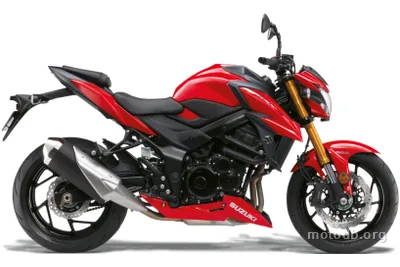
We’ve all dreamed of this Kawasaki ZX-7R. Not the 1999 model, the first one, but the 2003 model, the ultimate version before the end. It’s the machine that shook the Endurance circuits, a legend in green and black that is still talked about today. But putting it on the line against modern bikes, is it still a good idea?
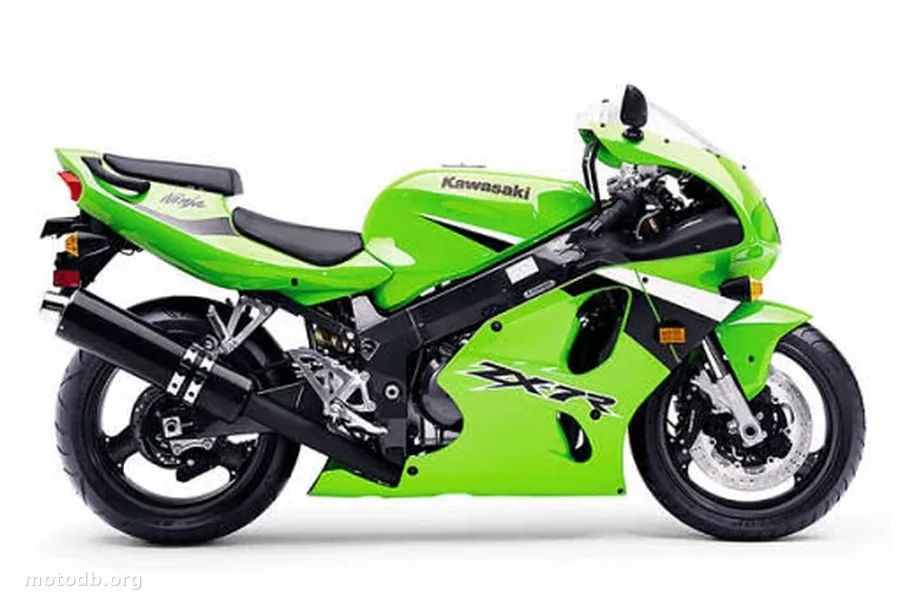
Under the hood, the 748 cc inline four-cylinder remains a pure mechanical gem. 123 horsepower at 11,800 rpm, a torque of 78.6 Nm that pulls you from 9300 rpm—it’s an engine that speaks, that growls, that lives. It doesn’t have the brutal force of a liter bike, nor the nervous responsiveness of a modern 600, but it possesses an expressiveness, a rage that is often lacking in today's engines. It’s a burner to be savored, especially when the perfect six-speed gearbox allows you to play with each engine speed. The problem is its weight. 235 kg fully fueled, that’s heavy. On the scale, the Kawasaki ZX-7R 2003 shows its age compared to a Suzuki 750 GSX-R or even a Kawasaki ZX-7R 1999, which is lighter in spirit. It is stable, rigid, precise, but it doesn't dive into corners. It leans with a certain majesty, a bit slowly, but with impeccable neutrality.
This is where the work of the suspension, an inverted 43 mm fork and a mono-shock, makes sense. They absorb this mass, they allow for absolute control, even during the most violent braking. And let’s talk about braking. Two 300 mm discs at the front with a six-piston caliper were, and still are, a reference. The power is monstrous, the feeling is crystalline, the resistance to overheating seems infinite. You feel safe, master of deceleration. This braking, today, remains among the best we have ever experienced on a sportbike.
So, who should look for a Kawasaki ZX-7R today? The collector, the nostalgic, the sporty touring rider who prefers character to brute performance. At 10,517 euros at the time, it was an investment. Now, it is a passion object. It fights against razor-sharp 600s and super-powerful, super-light 1000s. The diabolical 750 GSX-R of the same era often combines lightness and punch better. But the ZX-7R is not a machine of numbers. It is a sensation, a piece of Kawasaki history. Riding a ZX-7R is understanding what a sportbike was like before the age of all electronics. It’s for those who want a relationship, not just a tool. If you are looking for the perfect Kawasaki ZX-7R, the 2003 might be the most accomplished, the most mature. It’s not the fastest, but it could be the most memorable.
Practical info
- La moto est accessible aux permis : A
Reviews & comments
No reviews yet. Be the first to share your opinion!