Key performance
Technical specifications
Engine
- Displacement
- 998 cc
- Power
- 143.0 ch @ 10000 tr/min (103.2 kW)
- Torque
- 107.0 Nm @ 7750 tr/min
- Engine type
- Twin, four-stroke
- Cooling
- Liquid
- Compression ratio
- 11.8:1
- Bore × stroke
- 97.0 x 67.5 mm (3.8 x 2.7 inches)
- Valves/cylinder
- 4
- Camshafts
- 2 ACT
- Fuel system
- Injection
- Valve timing
- Double Overhead Cams/Twin Cam (DOHC)
Chassis
- Frame
- Aluminium alloy
- Gearbox
- 6-speed
- Final drive
- Chain (final drive)
- Front suspension
- Ohlins upside-down fork
- Rear suspension
- Aluminium-plate swinging for Ohlins monoshock absorber
- Front wheel travel
- 120 mm (4.7 inches)
- Rear wheel travel
- 133 mm (5.2 inches)
Brakes
- Front brakes
- Double disc
- Rear brakes
- Single disc
- Front tyre
- 120/70-ZR17
- Rear tyre
- 180/55-ZR17
Dimensions
- Seat height
- 810.00 mm
- Wheelbase
- 1418.00 mm
- Length
- 2035.00 mm
- Width
- 730.00 mm
- Height
- 1145.00 mm
- Fuel capacity
- 18.00 L
- Dry weight
- 175.00 kg
- New price
- 14 000 €
Overview
We often speak of "Factory" versions as almost mythological creatures, reserved for an elite. The 2004 Aprilia RSV Mille 1000 R Factory is not a myth, it is a brutal reality, a technological statement. At a time when the Italian V2 challenged Japanese four-cylinder engines, this machine was the factory declaration, the ultimate weapon for those who wanted a sportbike with a well-tempered character, not just smooth and sanitized power.
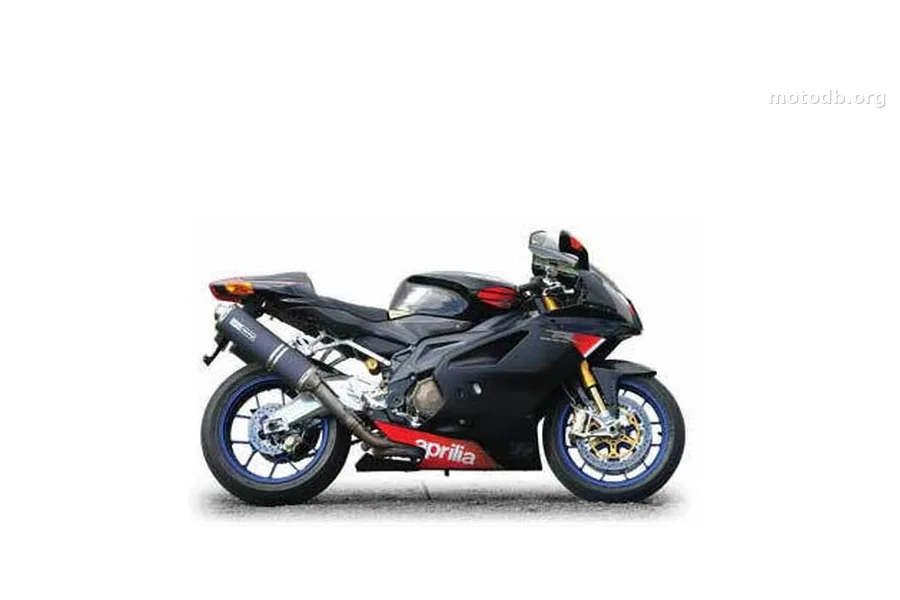
Its engine, a 997.6 cc V2, delivers 143 horsepower at 10,000 rpm. The figure may seem modest compared to the 170 horsepower of some competitors, but that is a misjudgment. The magic happens elsewhere, with a torque of 107 Nm available at 7750 rpm, a tractive force that sticks you to the seat from the mid-range, long before the Japanese inline-fours wake up. On a circuit or in a series of mountain curves, this generosity in acceleration out of corners gives a psychological and physical advantage. The GSX-R 1000 of the time could be faster in a straight line, but the Factory was more vicious, more engaging to ride.
The secret of this agility lies in its weight. With only 175 kg dry, it is remarkably light, almost 20 kg lighter than many of its rivals. This aluminum frame, coupled with standard Ohlins suspension – inverted fork and mono shock – offers a unfiltered dialogue with the road. The precision is surgical, the change of direction almost intuitive. At a time when high-end suspensions were often an option, Aprilia put them in the box. It was this "ready to race" philosophy that defined the Factory.
Who is it for? Not for a beginner, certainly. Riding a sporty V2 requires adaptation, a different management of mass transfers than that of a four-cylinder engine. It is the tool of the seasoned sport touring rider who seeks character, or the track rider who values mechanical connection and precision more than absolute brute power. Its price, around 14,000 euros at the time, positioned it as a premium alternative to the Ducati 999, often offering more complete finishing and standard equipment.
Today, this RSV 1000 R Factory is a testament to a period when sportbikes had distinct personalities. It did not seek to be the most powerful, but the most consistent, the most communicative. It proved that a 1000cc sportbike could be light, agile, and have a charismatic engine. It is this recipe, now rare, that makes this Aprilia a machine still respected, and still formidably effective on the terrain that matters: the winding road.
Practical info
- La moto est accessible aux permis : A
Indicators & positioning
Similar bikes
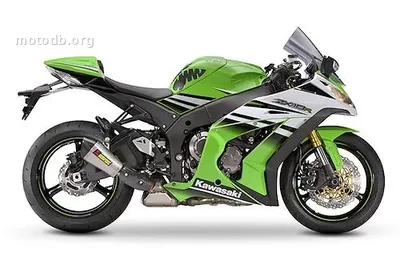
ZX-10R 1000 Performance Edition
Reviews & comments
No reviews yet. Be the first to share your opinion!